
A few key terms before starting:
Primary Election – The way in which candidates for election in the US are selected by the members of their party
Special Election – Election conducted to fill a seat for the remainder of its term
GOP – Grand Old Party, refers to the Republican Party
2020 is a big year in America for one major reason: the Presidential Election. Donald Trump is set to fight former Vice-President Joe Biden who, quite frankly, isn’t the best the Democrats have. However, given the choice between a quasi-fascist and a moderate, the choice is pretty simple.
At this point in time, the polls point towards a solid victory for Joe Biden. The battleground states are swaying towards the Democrats, and the fact that states like Georgia and, most surprisingly, Texas are competitive, means the Republican Party is in trouble.
What’s more interesting, and what many people (especially outside the US) may not know, is that the Presidential Election isn’t the only election that’s happening this year. Every two years, the whole House of Representatives is up for election as well as one third of the US Senate. Both are also looking good for the Democrats, but the Senate is a much tougher battle.
The Battlegrounds
At the moment the Senate is composed of 53 Republicans and 47 Democrats. Up for election this year are the 33 Class 2 senate seats, shown on the map below. Blue represents the Democrats, and red,the Republicans:
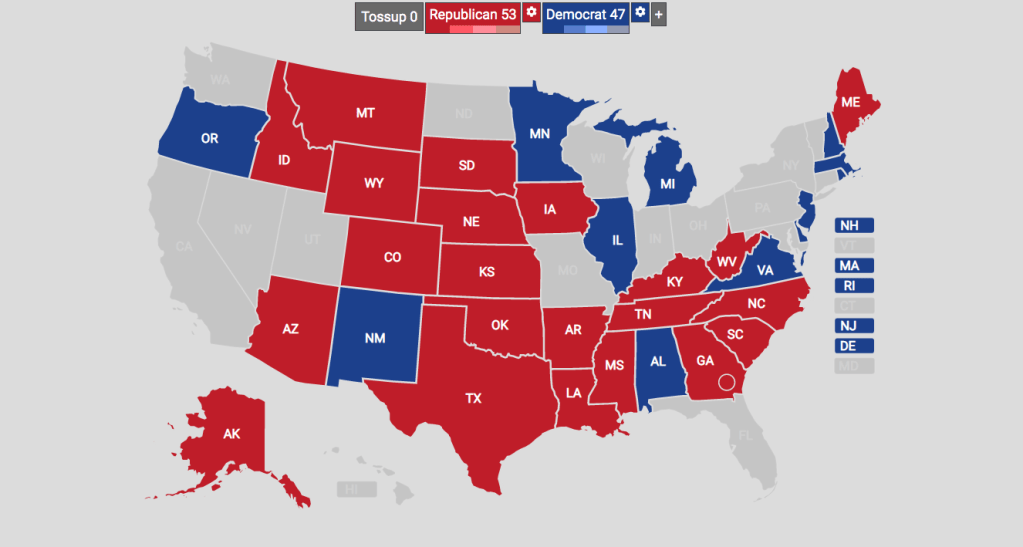
Of the seats that are up, 23 are Republican held and 12 are Democrat held. If you’re good at quick maths, you’ll notice that there are 35 seats up, not 33. That’s because two of the seats up (Arizona (AZ) and one of Georgia’s (GA) seats) are special elections – essentially a by-election to fill the seat for the rest of its term (both seats are up at the next senate election in 2022).
There are about 13 seats which have the potential to change hands here; Alabama (AL), Alaska (AK), Arizona, Colorado (CO), both of Georgia’s seats, Iowa (IA), Kansas (KS), Maine (ME), Montana (MT), North Carolina (NC), South Carolina (SC), and finally Texas (TX). You may have noticed of the seats that are competitive, only one is held by the Democrats: Alabama. Doug Jones’ (D) shock win in 2017 was lucky (especially because the Republican candidate was accused of being a paedophile) but, as painful as it is to say, his seat is a lost cause.
In any case, this election cycle puts Republicans in a difficult place and Democrats in a great one. So let’s get into the seats.
Looking to Alaska
Alaska doesn’t appear to be a State that should be competitive at first. It’s a rural state and has voted Republican in the presidential election since 1972. But in statewide elections, Alaska has elected Democrats fairly often. From 2009 to 2015, one of Alaska’s senators was a Democrat (the same seat that’s up this year).
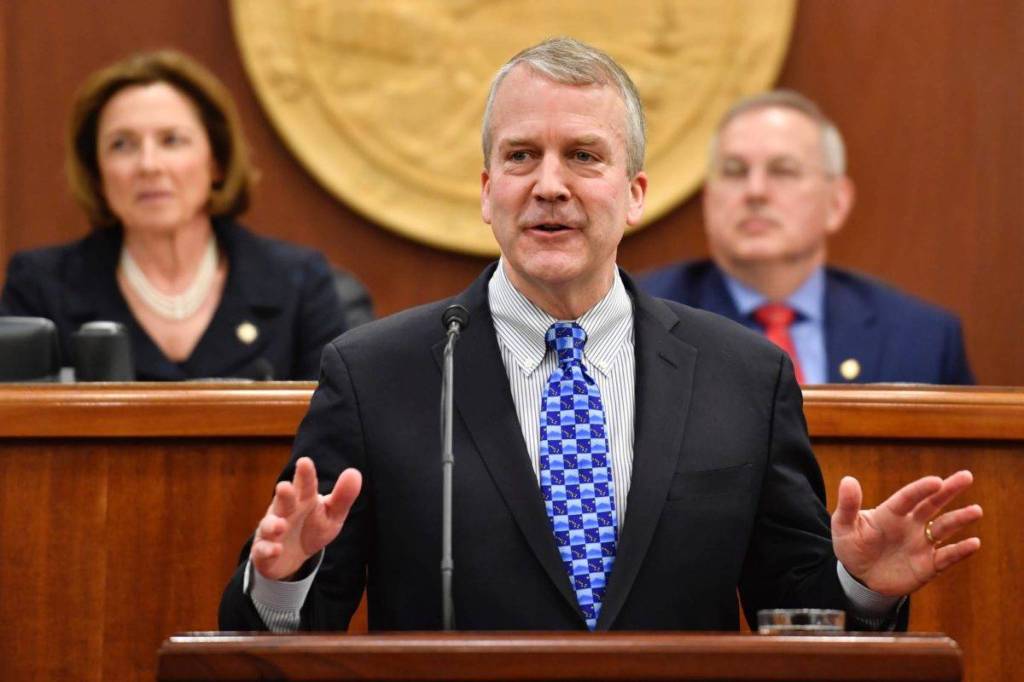
The seat is currently held by Republican Dan Sullivan, who will go up against Democrat/Independent candidate Dr Al Gross, an orthopaedic surgeon. Despite little name recognition, Gross has narrowed the race a lot. The latest poll for this seat had the two candidates tied on 43%, compared to a 7 point lead for Sullivan in July.
This does highlight one of the problems with this seat: only three polls have been conducted, so it’s difficult to gauge which way this seat is going to go exactly. The best indicator of this race may be to look at Alaska’s electoral history.
Alaska is one of, if not the most, independent minded State in the USA. In the 2016 Senate Race for Alaska’s other seat, third parties gained 44% of the vote, and in 2010 Senator Lisa Murkowski won the election on write-ins despite losing the Republican Primary. The Democrats polled 4th and 3rd respectively in those elections. In the 2000 presidential Elections, the Green party had a strong showing of 10% (this may not seem much, but it is significant in American Politics).
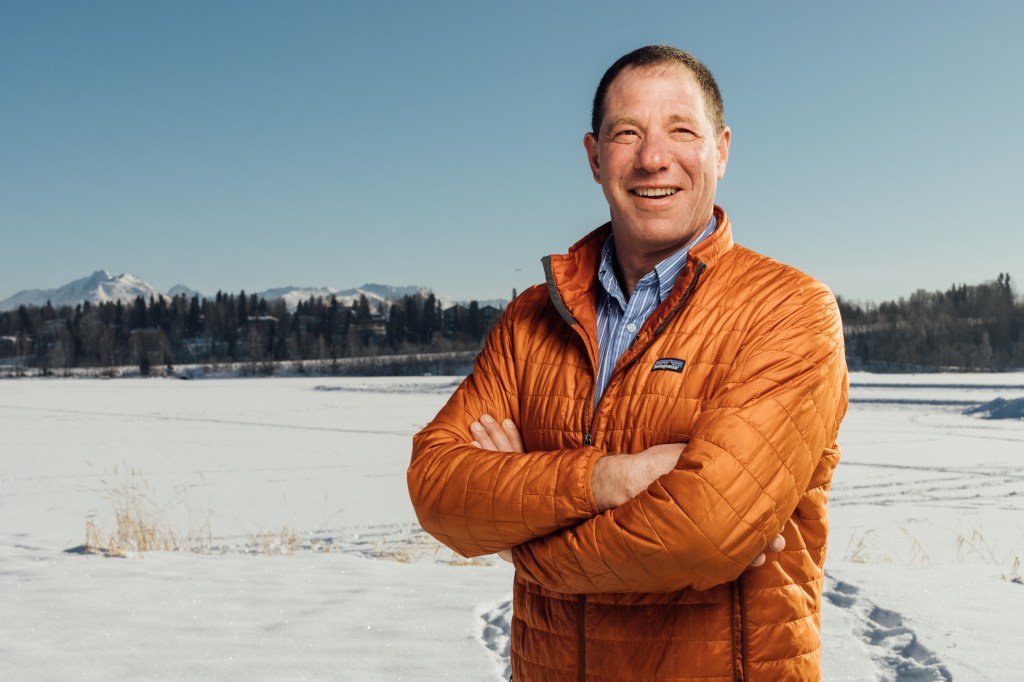
In 2018 the Alaskan Supreme court ruled in favour of allowing independents to run for the Democratic nomination. Looking back at Alaska’s independent streak and their poor performances, this was a great for the Democrats, demonstrated by Gross’ primary victory with 74% of the vote. But it isn’t just Gross’ independent credentials that make him a great candidate for Alaska:
While Gross is a very strong candidate, Alaska is still looking to lean Republican this year. Gross is definitely the underdog for this seat, but in the words of political analyst J Miles Coleman: Don’t sleep on Al Gross.
Arizona: Spaceman vs Top Gun

That title is no exaggeration: Democratic candidate Mark Kelly, an astronaut for 15 years, is up against Republican incumbent and former combat pilot, Martha McSally for the Late John McCain’s seat.
Arizona has historically been a fairly solid Republican state, last electing a Democrat senator in 1988. Since WW2 the state had gone to the Democrats only twice (1948 and 1996). In recent years however, fortunes have begun to look up for the DNC, with Trump winning the state by only 4 points compared to 9 points in 2012. Things only got better for the Democrats in 2018 when Arizona’s other senate seat was won by Kyrsten Sinema (D) against McSally (although despite losing, McSally was appointed to John McCain’s seat after his death that year).
Much of this shift can be attributed to Arizona politics: The state tends towards more ‘moderate’ politicians, such as both its former senators John McCain and John Kyl. Trumps extremist and populist platform does not find a lot of love here and is badly impacting McSally in here re-election campaign. On the flipside, Democrats have found their appeal here. While he certainly isn’t anything special Biden easily attracts to moderates in Arizona compared to Trump. Senator Sinema has also been fantastic at navigating State politics, generally following the Democrat party line but being conservative enough to win over to the more Right-leaning Arizona.
Kelly himself is also a massive boost to the Democrats chances, and probably their best candidate this year. He’s already well known in Arizona, being married to former Representative Gabby Gifford. Together, they have set up a Non-Profit organisation for gun control after an attempted assassination on Gifford. His biggest advantage is his fundraising ability. While McSally has raised around $30 million, Kelly has raised $45 million: it’s the second most expensive race this cycle after Kentucky. In the second quarter of this year he raised a staggering $12.8 million, outraising McSally by $3.6 million.
Arizona is looking very likely to flip at the moment. Kelly has led the polls with an average lead of 8.5 points. Last time McSally ran, both her and her opponent were fighting for an empty seat. This time, she’s running as an unpopular incumbent against a popular opponent. Her fortunes are not looking good.
Colorado

Colorado is looking to be yet another solid Democrat pick up. Traditionally a swing state, Colorado has moved towards the Democrats more in the last decade, putting incumbent Republican Cory Gardner in a difficult position. His close affiliation to Trump doesn’t help either. His opposition to Trump’s impeachment in a state that supported it,probably hasn’t boosted his popularity in a state that would have preferred it.
Gardner’s Democratic opponent is former two-term governor of the state John Hickenlooper. His tenure as Governor from from 2011 to 2019 was moderate and pragmatic, and he left office with positive approval ratings: this puts him in a very good starting position for the seat. His downside as a candidate is that he is fairly gaffe-prone, which has helped Gardner to narrow Hickenlooper’s lead in the polls. For example, the Colorado Ethics Commission has held Hickenlooper in contempt after he missed an ethics hearing over some of his actions as governor, including illegally accepting gifts.
Despite Hickenlooper’s pratfalls, a victory for Gardner is unlikely at this point. The state has solidified as a Democratic State, having gone for them in the past three Presidential Elections and voting in three successive Democratic Governors (Hickenlooper included). The best result for Republicans at this point is a narrow loss. That would be a fairly good result for a Trump-supporting Senator in a disapproving state.
Georgia: Here comes trouble and make it double
As mentioned earlier, both of Georgia’s Senate seats are up for grabs this cycle. While traditionally a solidly Republican state, it has been shifting towards a swing state, especially in the past few years. This was seen in 2018 with the Governor’s race, where Democrat Stacy Abrams came within 1 point of victory. This mostly comes down to the growth of Atlanta, in the north of the state, bringing in a lot more voters who lean towards the Democrats. There is the potential for the party to flip both of Georgia’s Senate seats.

The seat up for regular election is currently held by David Perdue (R) who goes up against Democrat Jon Ossoff. Perdue is running for a second term, having narrowly won the seat in 2014.
Ossoff is a strong contender for the seat and probably Democrats best chance to pick up this seat. In 2017, he ran in the special election for Georgia’s 6th seat in the House of Representatives. The seat voted 62% Republican in its last election and wasn’t expected to be competitive. It ended up being one of the most expensive House of Representative races in US history and Ossoff narrowly lost in a 52-48 split. Overall for the race, Ossoff raised a staggering $23 million.
Ossoff is benefitting from some poor campaign moves from Perdue. In July, Perdue ran an ad featuring Ossoff and fellow Senate Democrat Leader Chuck Schumer which was widely criticised as anti-semitic (both Ossoff and Schumer are Jewish). Ossoff’s nose appeared to be digitally altered to be larger, and it suggested that Schumer was trying to ‘buy’ Georgia. The ad was soon pulled. Despite this, Ossoff is at a large fundraising disadvantage with Perdue raising almost double his $7 million. Even still,Ossoff has narrowly pulled ahead, though the race remains a close one.

The special election for Georgia’s other seat, vacated in December 2019 and currently held by Kelly Loeffler, has less potential for a Democrat win. There isn’t a primary for this election from either party. Instead, all candidates will appear on the ballot in November, and the top two candidates will go in for a runoff in January 2021 should no-one win outright.
This is where a problem strikes for the Democrats: they’re running in a crowded field. Three of the eight Democrats running seem to have a chance: businessman Matt Lieberman, former State Attorney and State Senator Ed Tarver, and current senior pastor of Ebenezer Baptist Church (Martin Luther King’s former congregation) Raphael Warnock. Warnock is the main candidate backed by the Democrats but has been running a lacklustre campaign. Lieberman has very recently been asked to stand down by the head of Georgia’s NAACP due to the novel he published in 2018, that relied heavily on racial themes. That would leave Tarver, who has yet to break through single digits in polls. But with the three splitting the Democrat vote, it’s looking like Loeffler and fellow Republican contender Doug Collins will compete in the Runoff.
The likeliest outcome is probably a split senate delegation of Ossoff and a Republican. But if Democrats are able to coalesce around one candidate in the special election, that would put them up two senate seats in one state alone, putting them ever closer to the 51 seats needed.
Iowa
You might remember Iowa from a few months ago with the chaotic Iowa Caucus back in February. Once again Iowa is important, with it being one of the tightest races this year.
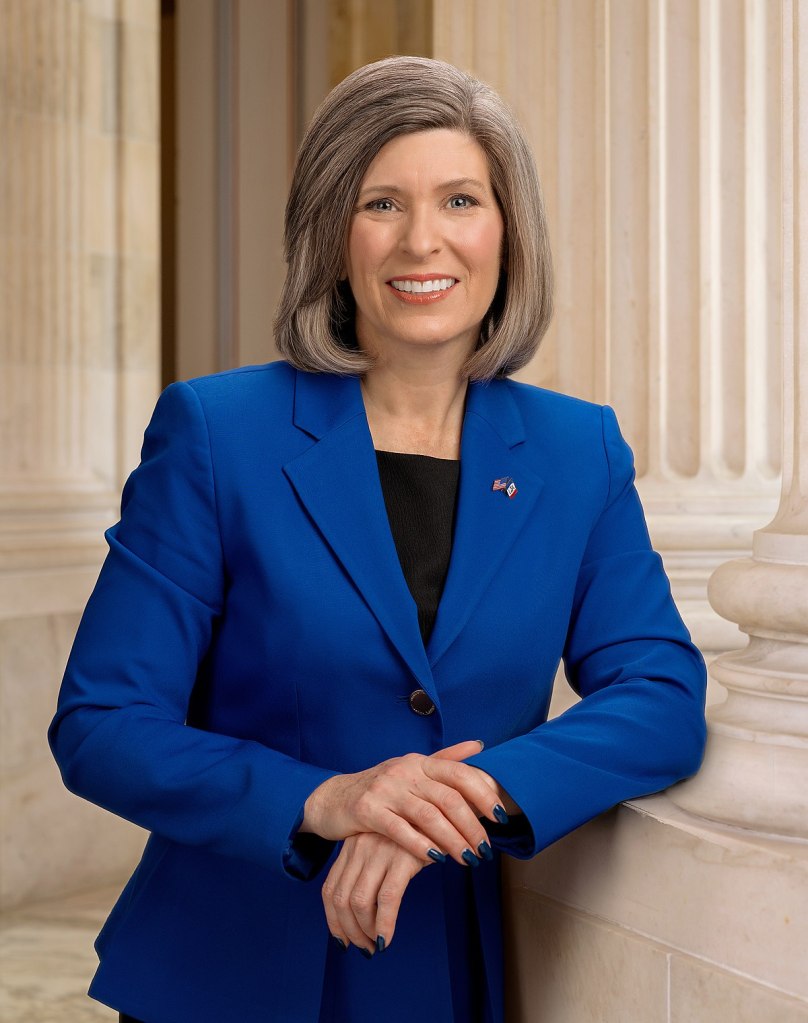
Incumbent Republican Senator Joni Ernst has so far run a weak campaign. When she ran for senate in 2014 she cast herself as an independent Republican, promising to ‘Make Washington squeal’ (she used to work on a pig farm). However FiveThirtyEight, a polling analysis site, found that she voted in line with Trump about 91% of the time. Going from a supposedly independent-minded Senator to Republican establishment doesn’t seem smart.
To make things worse for Ernst, the Democrats have picked a great candidate to fight for her seat:Theresa Greenfield. She seems to be succeeding where other state Democrats have failed: connecting with rural voters. This in part comes from her emphasis on Social Security in her campaign, something which many Iowans can relate to – around 1/5 of the population and 1/4 of over 65’s in the state are beneficiaries. Putting Social Security front and centre is working very well for Greenfield and not so well for Ernst.

Most pollsters rate the race as a tossup. In the presidential race, Trump is favoured to win Iowa narrowly, so for Greenfield to win some voters will have to split their votes. This seems to be the case, with the latest poll of the race putting her in the lead narrowly by 3 points. With two months to go and the polls still very close, this seat is up in the air.
“Toto, I have a feeling it might not be red in Kansas anymore…”
Kansas seems to be another one that you wouldn’t expect to be competitive: the state last elected a Democrat to the senate in the 1930s. But this year they’re looking vulnerable in the home of Dorothy, with their incumbent retiring and a strong showing from the Democrats.

The Democrats are running with Kansas State Senator Barbara Bollier. Bollier was formerly a member for the Republican Party, she left the party in 2018, stating that “morally, party is not going where my compass resides.” Upon entering the race to receive the Democratic nomination the previous frontrunner Barry Grissom dropped out, wanting to avoid a split party. Bollier went on to win with 88% of the vote.
Republicans’ nightmare scenario for this seat was avoided when they held their Primary for this seat. Kris Kobach was their candidate for governor in 2018, losing out to Democrat Laura Kelly. He (fortunately for the GOP) lost the Primary to Roger Marshall, currently a member of the House of Representatives. This should have swung the seat comfortably towards the GOP but polling conducted after the primary showed a paltry lead for Marshall over Bollier, well within the margin of error for a Democrat gain. Bollier also has a significant fundraising advantage, having raised $8 million to Marshalls $3 million.
While Bollier is performing well in the race, the seat still has a narrow republican lead. Bollier is the Democrats’ best chance to win in Kansas and if she loses now, the seat is unlikely to flip for a long while.
The Maine Event
Susan Collins (R) was once the most popular senator in the USA, with a net +40% rating in 2017. Now she’s second from the bottom, with only Senate Leader Mitch McConnell ranking below her. That’s quite an achievement.

Her fall from grace started back in 2017 with the controversial confirmation of Brett Kavanaugh to the Supreme Court. Despite often splitting opinions amongst Republicans, she managed to be popular with independents and Democrats. However when she voted to confirm Kavanaugh, her popularity began to slip with Democrats and independents. Voting to acquit Trump in the Impeachment proceedings only sent her ratings even further down. At one point she was even less popular than Mitch McConnell, which is no easy feat.
Similar to Alaska, Maine tends to electing more independent candidates. Maine’s other senator, Angus King, is an independent (he does sit with the Democrats) and is one of the Senate’s more moderate voices. His Predecessor was Republican Olympia Snowe, who was very highly praised for her bipartisanship. This is how Collins was able to continue to win in Democrat-leaning Maine. But due to her recent partisan turn, her chances of winning have tanked.

To make matters worse for Collins, she’s facing some tough competition. Her opponent is Maine Speaker of the House Sara Gideon. Gideon has very successfully used Collins’ Supreme Court vote against her. $4 million dollars that was crowdfunded around the time of the Kavanaugh confirmation has been given to Gideon, giving her a significant fundraising advantage over Collins.
Gideon is also going to benefit from Maine’s voting system. Unlike the rest of America, Maine uses Ranked-Choice Voting, which allows voters to rank all the candidates in order of preference. When votes are counted the candidate in last place is eliminated, and their second choices allocated to the remaining candidates in a second round of counting. This goes on until a candidate has over 50% of the vote. This helps to eliminate the spoiler effect in which two similar candidates split their votes and allow a third candidate to win. Why this benefits Gideon is due to the presence of a Green Party candidate, who has openly said to put Gideon as a second preference.
Collins’ fall from grace is possibly one of the biggest in American politics. Once praised for her bipartisanship, she’s essentially guaranteed the Democrats at least one more seat in the Senate.
Mighty Close Montana

Montana is similar to Alaska in many ways: A rural state that is solidly Red in Presidential races but in statewide races it regularly votes Blue. Montana already has a Democrat senator with Jon Tester as well as a two-term Governor in Steve Bullock, who also happens to be this year’s senate candidate and a big reason that the state has become competitive.
Steve Daines first won this Senate Seat in 2014, succeeding six term Democrat incumbent Max Baucus. He is the first Republican to represent this seat in just over a century. He tied his campaign to president Trump which hasn’t helped him in regards to the shambles that was his coronavirus response. His seat became a lot less safe when Governor Bullock decided to enter the race.
Bullock was first elected governor of Montana in 2012. Despite the state breaking for Mitt Romney in the Presidential election by 13 points, Bullock pulled off a narrow win by just 7000 votes. Perhaps more impressive is,in 2016, Trump carried the state by 20 points, Bullock managed to extend his lead by 4 points. His response to the coronavirus pandemic has helped to propel his approval ratings, which are probably going to help his chances. Clearly Montana Democrats rate his chances as well: when he finally entered the race (on the last day to file), all other Democrats bar one dropped out, all endorsing Bullock.
While he is generally considered a moderate Democrat, he has shifted left slightly due to his brief run for President in 2019 which may damage his chances in the more conservative Montana. However, his popularity as governor is likely to offset this with 53% of Montanans holding positive views of Bullock (as of late July). His handling of the Coronavirus pandemic and his general effectiveness as governor, has also helped to win voters to his side, putting Daines in a more difficult position.
At the moment the seat is rated as a tossup by most polling groups. Daines has led the last three polls in the state but with an average lead of 2.2 it’s close enough for Bullock to pull through. Even if Trump wins the state, it is entirely likely that enough Montanans will split their votes for the Presidential and Senate election. In the 2018 elections, incumbent Democratic Senator Jon Tester won reelection, while Montana’s seat in the House of Representatives was won by a Republican on almost the same margin as Tester. And that seat is looking mighty close this year too.
North Carolina
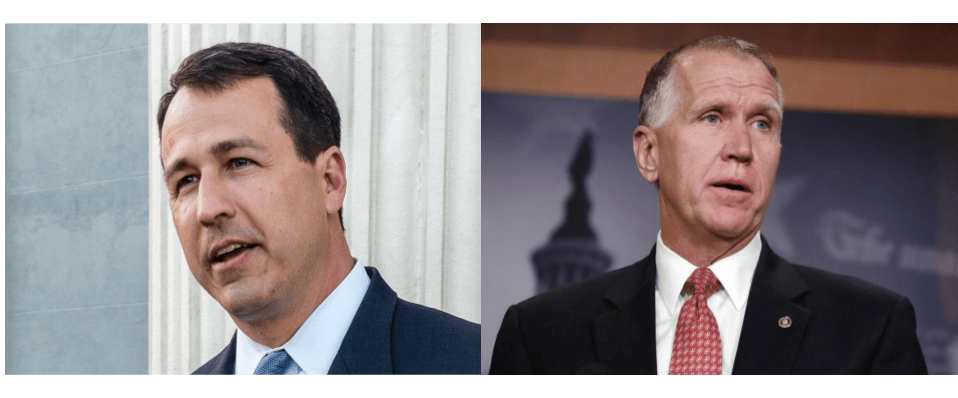
In North Carolina, incumbent Republican Thom Tillis faces up against veteran and state senator Cal Cunningham in a race that is looking good for the Democrats. Tillis won the seat narrowly in 2014.
Cunningham’s campaign is unusual to say the least. Senate Minority Leader Chuck Schumer has given the strategy of a ‘windowless basement’ in North Carolina. Rather than holding rally’s and other traditionally campaign events, the strategy runs on fundraising a lot, then using the money to run negative ads against Tillis. The strategy appears to be working because, as mentioned before, Cunningham has been leading the polls since February.
While Tillis has recently started associating with the President more closely, Cunningham generally avoids speaking about Trump, instead focusing on other issues like healthcare. This may seem odd, but this tactic helped to get many Democrats elected in the 2018 midterms and is helping Cunningham in an important swing state. It helps even further as Tillis is polling worse than the president in the state, so tying Tillis to Trump may help him slightly. By focusing away from Trump, Cunningham can focus on the failings of Tillis himself.
While the state is close in the Presidential race, Cunningham has maintained his lead against Tillis. North Carolina is very much looking to be a Democrat gain in the senate.
South Carolina
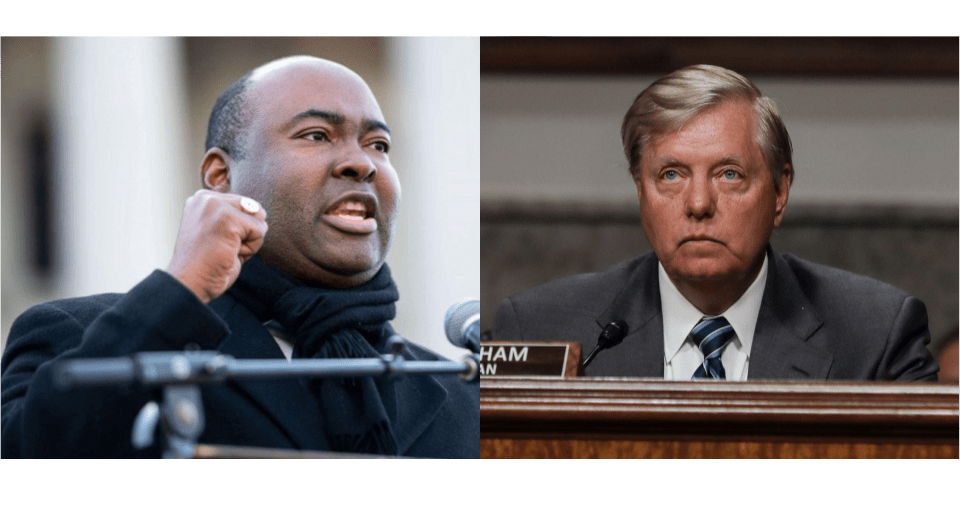
The last time Democrats won a Senate race in South Carolina was 1998, and that was with a six term incumbent. They haven’t won a statewide race since 2006. This year is looking extremely good for them in the Palmetto State.
Lindsey Graham (R) currently holds this seat. He is amongst the more famous senators, who used to be one of Trump’s most vocal Republican critics. Now, he’s turned into a top Trump advocate which is now starting to backfire for him. He’s increasingly unpopular with his base of voters, and losing moderates to the Democrat challenging him, Jaime Harrison. He’s a moderate, well-connected Democrat with a solid fundraising ability and the best chance of flipping this seat.
Harrison has a lot going well for him. Graham’s growing unpopularity is turning a lot of voters against him: His actions around Trump, plus his behaviour during Brett Kavanaugh Supreme Court Hearings have made previously friendly voters to turn against him who are starting to lean towards Harrison instead. Graham’s inaction around Coronavirus relief and belief that the unemployment benefits were ‘too generous’ are being well exploited by Harrison. Playing a moderate campaign is also boosting him, especially in a conservative state like South Carolina.
While Harrison’s campaign has been limited by the pandemic (he had intended to travel around the state and try to push voter registration up), he has adapted well to a digital campaign spending the most of any senate candidate on Facebook adds. What also benefits him is the other party on the ballot, the Constitution Party. This party is (somehow) further to the right of the Republican party and is campaigning fairly hard in South Carolina. They don’t have a hope in hell of winning but they are likely to cause the spoiler effect, whereby two ideologically similar parties fight over the same voters, splitting their vote and allowing for someone else to win. This is what allowed the Democrats to win the Kentucky Governorship in 2019 and it could very much allow them to gain this seat.
What should have been a solid Republican hold has turned into a very competitive race. While South Carolina ultimately leans Republican, a victory for the Democrats would not be a shock. It might also offer a good template for making further inroads into other Southern States in the future.
The Lone Star State
You wouldn’t really expect Texas to be a competitive state. It’s what a lot of people use to define the Republican Party: after all, it is the home state of the Bush family. Slowly but surely though, the State is shifting blue.
The primary reason for Texas’ move leftward is demographics. Texas’ cities are some of the fastest growing in the US, which attracts young, well-educated voters who boost the Democrats. Add on to that Texas’ growing Hispanic population who are a fairly solid voting bloc for the Democrats and the shift of college educated suburban voters from the GOP towards Democrats, then you have an increasingly smaller core of voters the GOP can rely on.
The 2018 Midterm elections show the changing electorate of Texas. The state’s other Senate seat was up for election, and Democrat, Beto O’Rourke came within 3 points of winning the seat, a massive improvement from the 16 point gap when the seat was up in 2012. In the House of Representatives, Democrats gained two seats, both in the suburbs, and managed to increase their vote share by 10 points to 47%. While Democrats are looking to flip a number of close races in the House, the challenge comes with flipping this year’s Senate Seat.
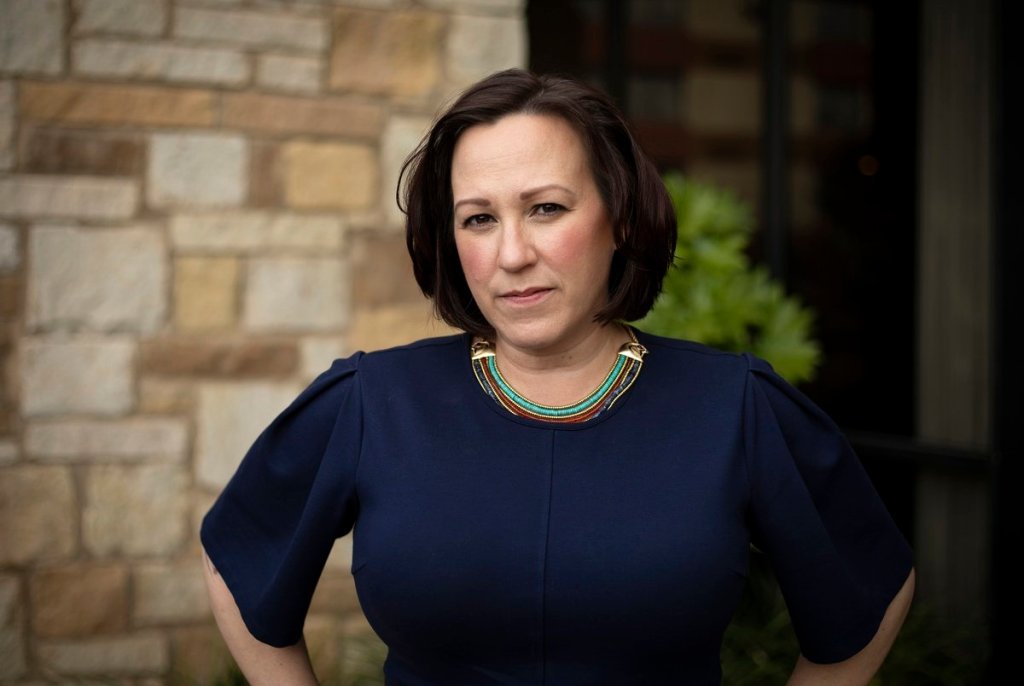
The Democratic challenger in this race is veteran MJ Hegar. Before she entered politics, Hegar led a case against the Combat Exclusion Policy, which essentially blocked women from going into certain jobs. Lobbying politicians for the case is what got Hegar into politics, and in 2018 she ran the the US House of Representatives, though she narrowly lost her race against the Republican Incumbent. Her campaign ran an add for the race titled ‘Doors‘ detailing Hegar’s story, and it garnered a lot of attention and garnered her campaign a lot of money.
Her opponent is John Cornyn, one of the most senior Republicans in the Senate. He was selected as the Republican Whip (his job is to enforce the party line) in 2012, a position he held until 2019. He’s running to win his seat for a fourth term, but is in for a much tougher race than previously: in 2014, he won by 27 points. The latest poll for this race gave Cornyn a lead of only 5 points. What makes that more impressive is that Hegar started the race 15 points down.
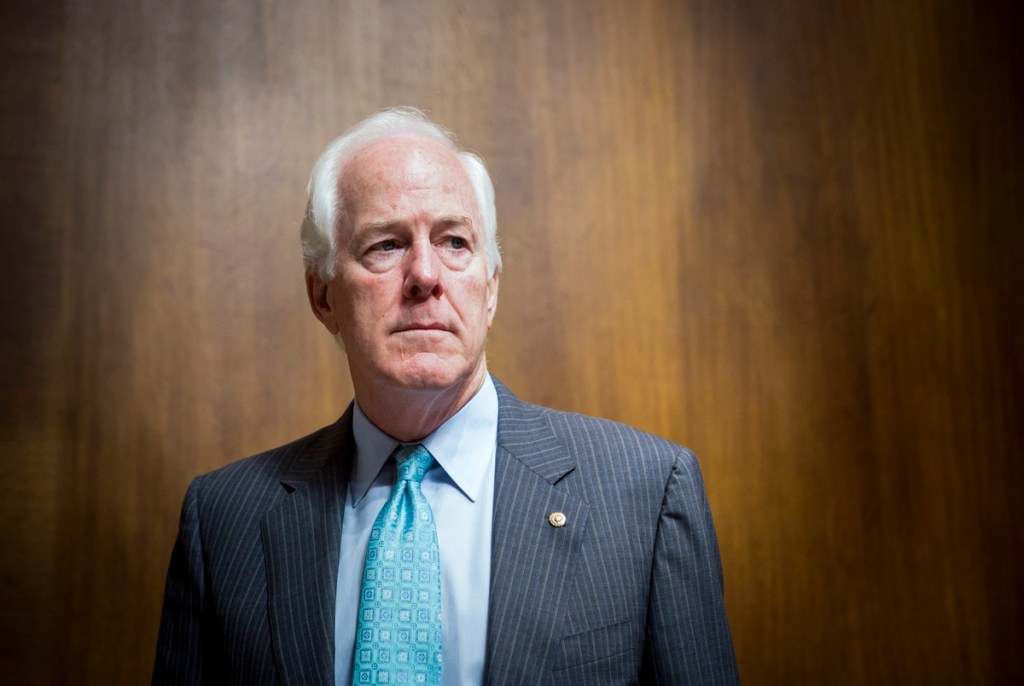
While the race has narrowed, Cornyn still holds a significant fundraising advantage, having raised $22 million to Hegar’s $6.5 million. Funding is very much a big part of winning a raise, and in Texas you need a lot if you want to win. In the 2018 Race, O’Rourke outraised his opponent Ted Cruz by $30 million, but still lost the race (albeit narrowly). On the other hand, the fact that the race is currently narrowing despite the funding differences shows the danger for Texas Republicans now.
Texas is a seat that is more unlikely to flip compared to other seats. Even if it doesn’t , the now competitive nature of the state puts the Republican Party in a difficult place for the future.
Once in a Blue Moon: a Democrat Majority?
It’s very likely that only a few of these seats will turn Blue in November. Democrats only need to pick up four or five seats to gain control of the Senate. Should this be the case, Democrats can still be positive: they are competitive in places like Texas, South Carolina, and Georgia, not just in the Senate but in the Presidential Race as well. For the Republicans, it looks like a rather bleak future for them.
Personally, I think the result is most likely to be a narrow Democrat majority of one or two seats. Their likeliest pickups are Arizona, Colorado, North Carolina, and Maine. Georgia’s main seat, Montana, and Iowa could go either way, and all other seats are leaning towards the Republicans but it wouldn’t be a surprise if one or two of them ended up flipping. Whatever happens, the Democrats are likely to control the Senate again after five years. With majorities in the Senate and the House, plus winning the Presidency, it could mean they are going to have a very productive few years in power. Fingers crossed.
EDIT: SUPREME COURT VACANCY
Much of this was written before the death of Ruth Bader Ginsburg. Her death is a huge tragedy, and means that there is now an open seat on the Supreme Court. Within hours of her death, the Republican Senate leader Mitch McConnell released a statement saying that they would move to fill the vacancy before the President’s inauguration in January 2021. Not only is this deeply offensive, it is a blatant power grab by McConnell to give the Supreme Court a conservative majority and it also breaks the precedence he himself set four years ago with Merrick Garland.
The vacancy now on the Supreme Court and the Republican Leadership’s eagerness to fill the seat, puts many of the Senate races into chaos. Susan Collins of Maine has said that she believes the vacancy should be filled after the President’s inauguration, though she hasn’t said which way she’d vote should it happen before. If it does and she votes against filling the seat, she could salvage a possible re-election.
If the confirmation hearings are held after the election has taken place, i.e. in December, many of the sitting senators who have now lost their seats (new senators don’t begin their terms until January) may choose to vote for a conservative justice, having nothing to lose from doing so.

 Luke's Politics Blog